Not every supplement provides antioxidants. Supplements are made for many different purposes, and only some contain nutrients or plant compounds with antioxidant activity.
Even when a product does provide antioxidants, the word “antioxidant” can make it sound automatically healthy or necessary. If a little antioxidant activity is useful, it is tempting to assume that a concentrated dose must be even better.
That is not how nutrition always works.
Supplements containing antioxidants can be appropriate in specific situations, such as a diagnosed deficiency or a recommendation from a qualified healthcare professional. But they are not a universal insurance policy, and a supplement label cannot tell you whether the product fits your needs, medications or normal eating pattern.
Before buying another bottle, check three things: why you want it, what dose and combination you would be taking, and what your everyday food pattern currently provides.
Check 1: What are you actually trying to solve?
Start by checking what the product actually contains. Do not assume that every multivitamin, drink, powder or capsule provides antioxidants simply because it is sold for wellness.
Then consider your reason for taking it.
Are you replacing a nutrient that a clinician has identified as low? Are you following advice connected to pregnancy, a restricted diet, absorption difficulties or another specific need? Or did a phrase such as “anti-ageing,” “immune support,” “detox” or “cell protection” attracted your attention?
Those are very different situations.
Ask yourself: what antioxidant nutrient or compound does this product provide, what specific need am I responding to, and how do I know the product addresses it?
If the answer is mostly a marketing phrase, pause before purchasing.
Two examples of antioxidant-containing products
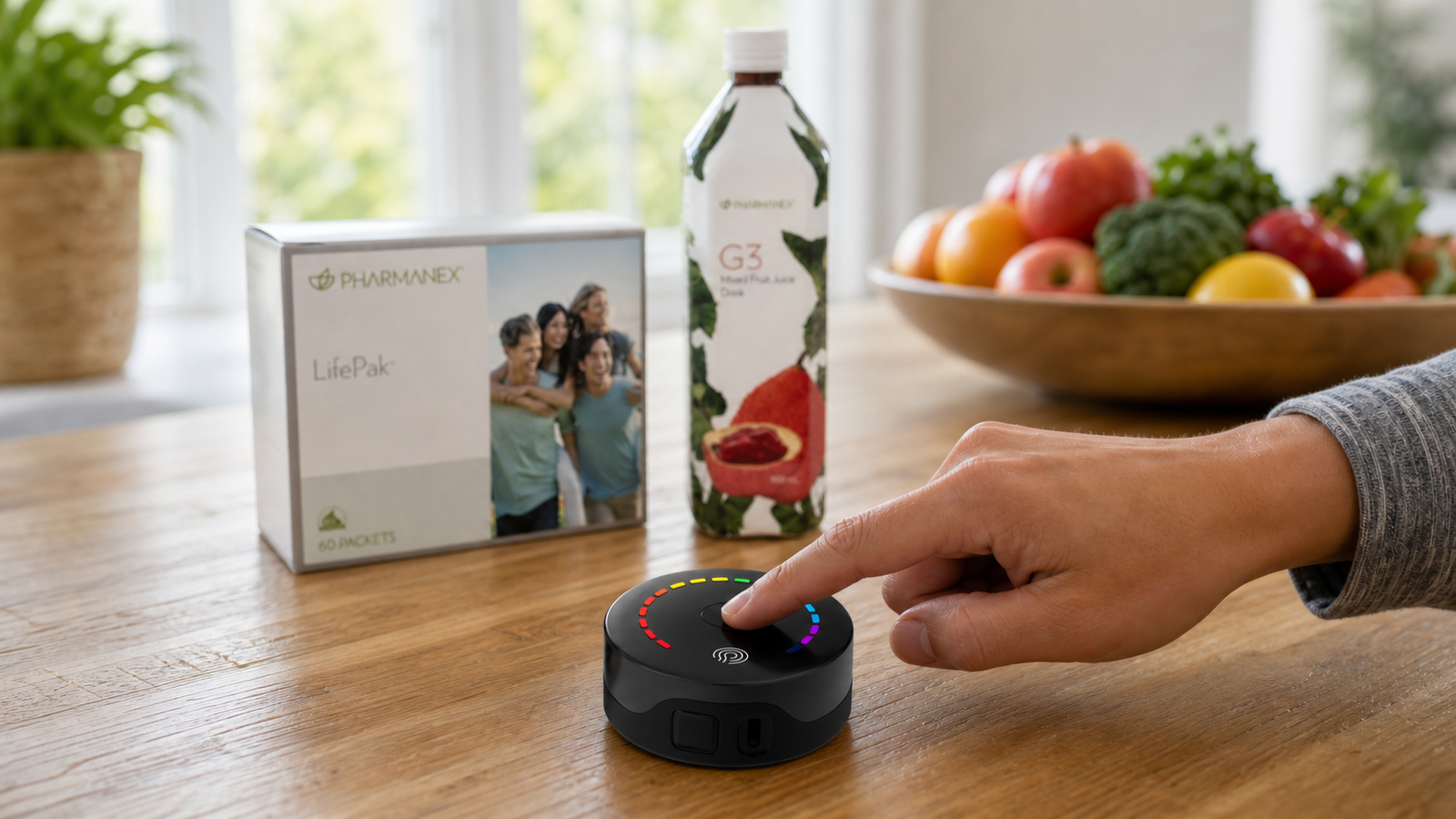
LifePak and g3 illustrate two different product formats. They should not be treated as examples of what every supplement contains.
LifePak is a multivitamin and mineral supplement. Its official product information lists antioxidant nutrients and phytonutrients, including vitamin C, vitamin E and carotenoids. g3 is a fruit-juice supplement blend made with fruits that provide carotenoids and other plant compounds.
This does not mean either product is automatically necessary or suitable for every person. It also does not guarantee a particular PRYSM score or health outcome (Although consumer of these two products tends to notice increase in PRYSM score over time). The ingredient list, serving amount, total routine and individual circumstances still matter.
Check 2: What dose and combination are you taking?
Supplements can deliver nutrients in amounts that are much more concentrated than a normal serving of food. Products may also overlap.
For example, a multivitamin, beauty supplement, immune formula and separate antioxidant capsule might contain some of the same vitamins. Looking at each bottle alone can hide the combined total.
Context matters too. Supplements may interact with medications or medical treatment. Pregnancy changes nutrient requirements and safety considerations. Surgery, smoking, chronic conditions and cancer treatment can all affect what is appropriate.
Before adding a product, review:
- the amount per serving;
- the number of servings recommended;
- similar ingredients in other products you use;
- your medications and health conditions;
- whether your doctor, pharmacist or dietitian should review it first.
Do not stop prescribed medication or replace medical care with a supplement. If you take medication, are pregnant, smoke, are preparing for surgery or manage a health condition, individual professional guidance matters more than a general article.
Check 3: What is happening in your normal food pattern?
A supplement can provide a nutrient. It cannot reproduce everything that comes with food.
Vegetables, fruit, legumes, nuts, seeds and other foods contain different combinations of fibre, vitamins, minerals, carotenoids and plant compounds. They also contribute to meals, fullness, enjoyment and routine in ways a capsule does not.
That does not make food perfect or supplements unnecessary. Some people have genuine gaps that food alone may not easily address. But it is worth checking whether the supplement is being asked to compensate for a pattern that needs practical support.
Perhaps vegetables appear only at dinner. Maybe fruit is bought but regularly forgotten. Your busiest days may rely on convenience meals with little variety. Or you may be eating too little overall while hoping a supplement will cover the difference.
These observations are not a reason for guilt. They help identify the right starting point.
If the main problem is access, time or routine, one repeatable food change may be more useful than adding another complicated product schedule. That could mean keeping frozen vegetables available, adding fruit to a regular breakfast, including a vegetable dish with lunch or rotating two familiar produce choices each week.
Food-first does not mean food-only
“Food-first” is a starting principle, not an absolute rule.
It means building the best realistic food pattern you can, then using supplements purposefully when there is a clear reason. Some life stages, dietary patterns and medical circumstances may require targeted supplementation. The right product and dose depend on the person.
The aim is not to prove that supplements are good or bad. It is to avoid choosing them simply because the label sounds scientific.
A five-question check before you buy
Before purchasing a supplement for its antioxidants, ask:
1. Which antioxidant nutrient or compound does it actually provide?
2. What specific need am I trying to address, and is that need supported by an assessment or qualified recommendation?
3. What is the full daily dose when I include my other supplements?
4. Could it interact with medication, treatment, pregnancy or a health condition?
5. What food or routine issue still needs attention even if I take it?
If you cannot answer these questions, you do not need to decide immediately. Take a photo of the label, note the ingredient amounts and discuss them with an appropriately qualified professional.
The takeaway
Not every supplement provides antioxidants, and an antioxidant label is not a guarantee that a product is necessary, effective or suitable for you. Confirm what it contains, begin with the purpose, examine the dose and combination, and look honestly at the food pattern underneath the decision.
Supplements can have a useful role when they are selected for a clear reason. They work best as a considered part of the bigger picture, not as a shortcut around it.
If you would like a practical review of your goals, food habits and current routine before deciding where to start, contact Vern Lai. For decisions involving medication, pregnancy, diagnosed deficiency or a medical condition, speak with your doctor, pharmacist or dietitian.
This article provides general wellness education, not individual medical or supplement advice.
- National Center for Complementary and Integrative Health. “Antioxidant Supplements: What You Need To Know.” https://www.nccih.nih.gov/health/antioxidant-supplements-what-you-need-to-know
- US Preventive Services Task Force. “Vitamin, Mineral, and Multivitamin Supplementation to Prevent Cardiovascular Disease and Cancer: Preventive Medication.” 2022. https://www.uspreventiveservicestaskforce.org/uspstf/recommendation/vitamin-supplementation-to-prevent-cvd-and-cancer-preventive-medication
- National Center for Complementary and Integrative Health. “Using Dietary Supplements Wisely.” https://www.nccih.nih.gov/health/using-dietary-supplements-wisely
- NIH Office of Dietary Supplements. “Dietary Supplements and Life Stages: Pregnancy – Health Professional Fact Sheet.” https://ods.od.nih.gov/factsheets/Pregnancy-HealthProfessional/
- Nu Skin. “LifePak Anti-Aging Formula: Product Details.” https://www.nuskin.com/content/products/01/00/36/01003680/en.html
- Nu Skin. “g3 by Pharmanex: Product Information Page.” https://www.nuskin.com/content/dam/global/library/pdf/products/pip_g3.pdf