It is 7 p.m. You have just got home, someone wants rice, someone else is trying to eat “healthier,” and the idea of cooking two dinners feels like one more job. If that sounds familiar, here is the reassuring answer: most households do not need a separate “diet dinner” to make an evening meal more balanced.
A simpler approach is to make one shared meal with a few flexible parts. Let people choose what suits their appetite, preferences and needs. A meal can be nourishing without every plate looking identical.
One dinner can have flexible parts
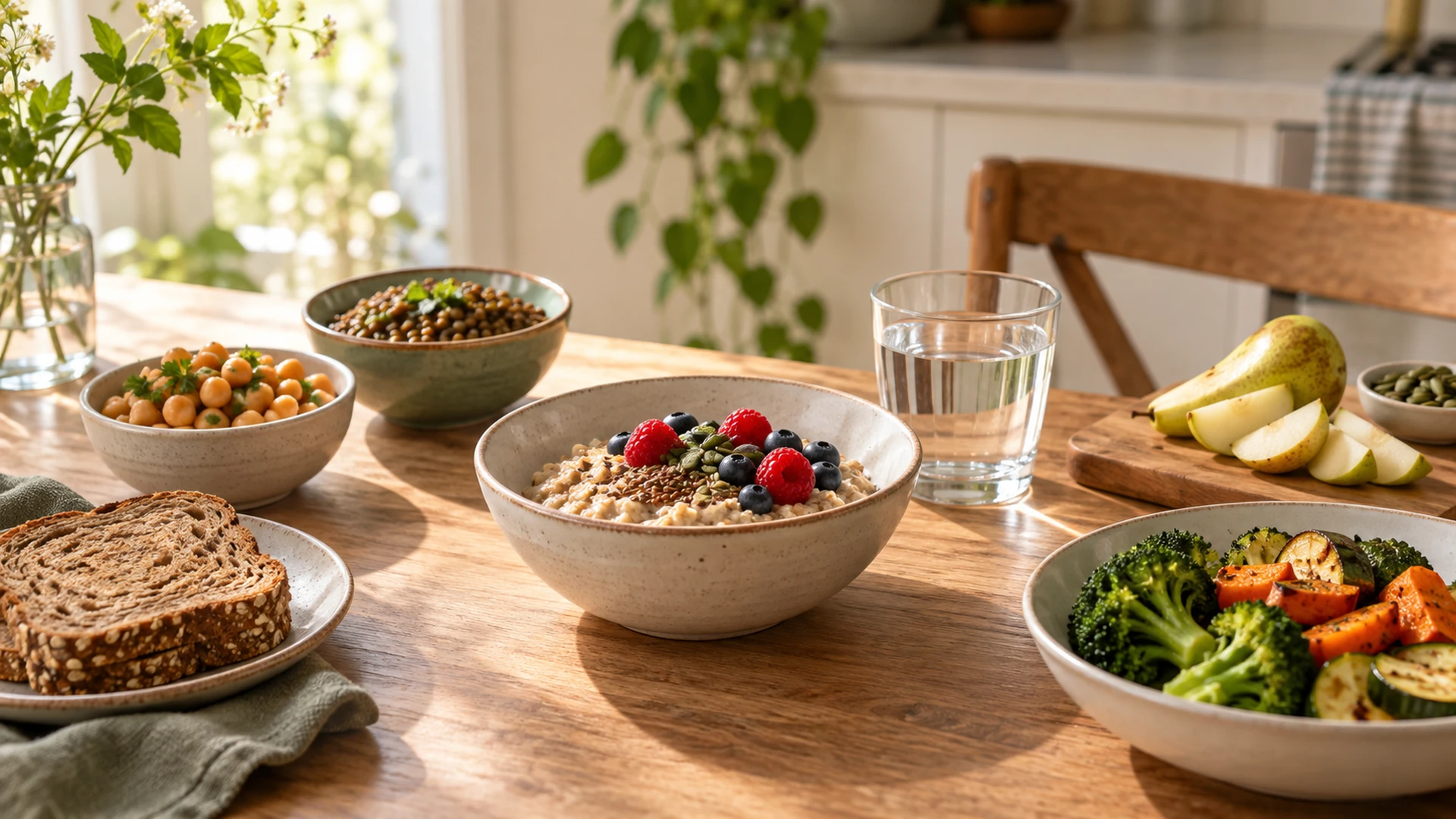
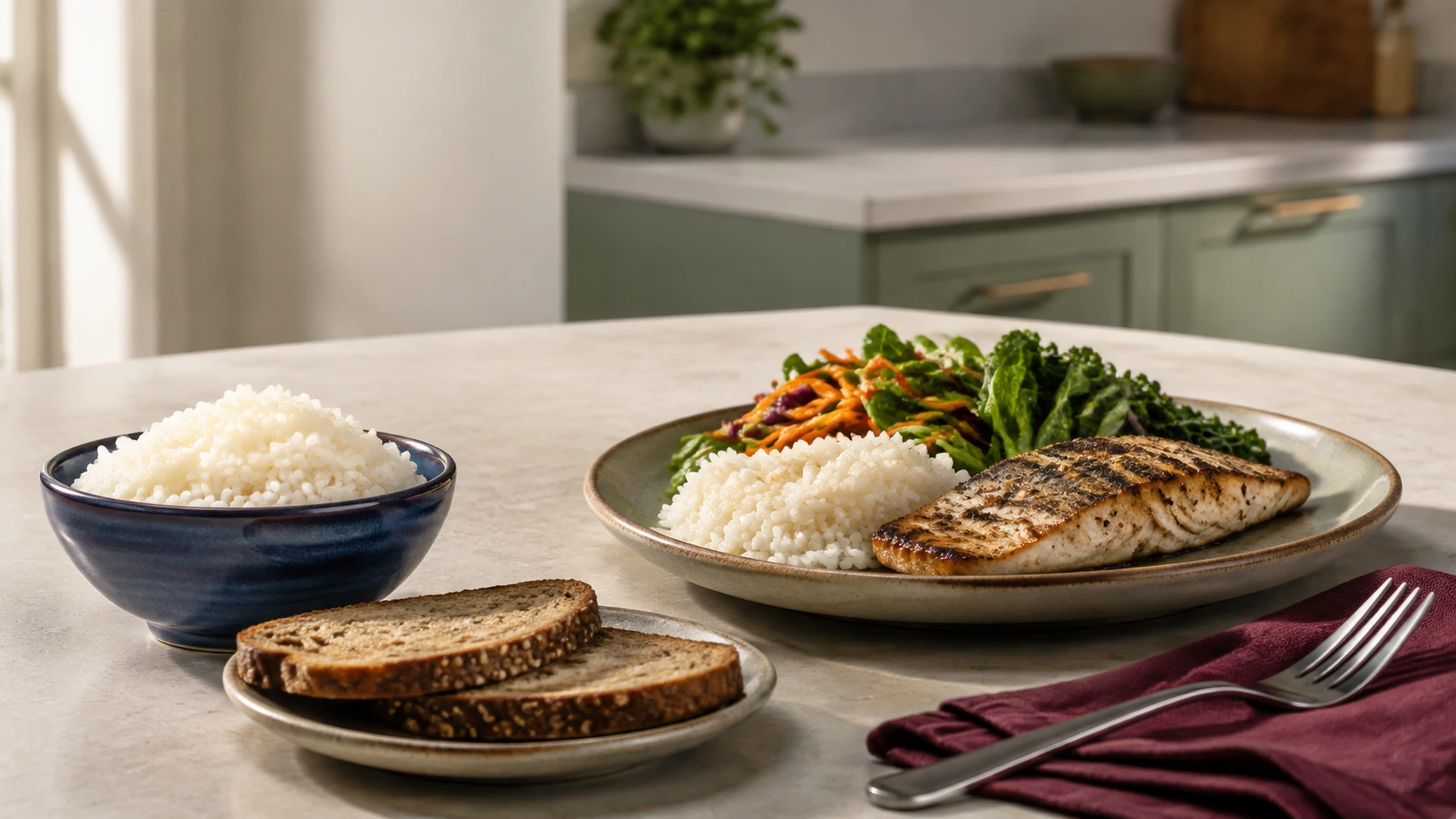
Think of dinner as a base plus choices, rather than a fixed plate everyone must copy. For example, put rice, noodles or potatoes on the table with a protein such as chicken, fish, eggs, tofu or beans, and one or two vegetables. Keep sauces, chilli and crunchy toppings on the side.
Everyone is eating from the same meal, but each person can assemble it differently. One person may want more vegetables; another may prefer plain rice and a familiar protein. You do not have to negotiate a perfect menu or prepare a second dish just because people have different preferences.
This also leaves room for practical needs. Someone may have an allergy, a medical eating plan or a strong dislike that calls for an adjustment. A shared base is a helpful starting point, not a rule that every person must eat every ingredient.
Use a guide as a guide
Singapore’s HealthHub describes My Healthy Plate as a visual way to think about variety: include vegetables and fruit, wholegrains, and protein foods across meals. Its guidance also recognises that if one meal does not include every food group, you can make up for it at another meal. That can make the plate a useful prompt, rather than a test you pass or fail at dinner. Read HealthHub’s My Healthy Plate guide.
So if tonight’s meal is a quick bowl with rice, egg and frozen vegetables, it can still be a reasonable dinner. You can add fruit later or include something different at breakfast or lunch. One meal does not need to carry the entire week.
Make the easy option more complete
When time is short, the obstacle is often not a lack of nutrition knowledge. It is having little energy left for chopping, planning and washing up. HealthHub’s practical cooking guidance recommends simple one-dish meals and using convenient ingredients such as frozen vegetables to make home cooking easier. See HealthHub’s quick and easy cooking ideas.
Try a low-effort formula you can repeat:
- Choose a familiar base: rice, noodles, bread, potatoes or another staple your household already eats.
- Add a protein: use what is practical, whether that is eggs, tofu, canned beans, leftover chicken or fish.
- Add a vegetable: fresh, frozen or leftover vegetables all count as workable options.
- Put flavour on the side: sauces, herbs, chilli or toppings let people adjust their own bowls.
Not every dinner needs four pans and a new recipe. A one-pan meal, soup with toast and eggs, or a rice bowl made from leftovers can reduce the effort while keeping choices on the table.
Use a small backup plan for busy nights
If late work regularly pushes dinner later, decide on one or two backup meals before the week gets hectic. Keep ingredients you can combine quickly, or set aside leftovers that can become tomorrow’s lunch or dinner. The goal is not a rigid meal-prep routine; it is making a decent option easier to reach when plans change.
If work running late is the main reason dinner feels difficult, this related article offers a simple way to think ahead: If Work Runs Late, What Will You Eat? Make the Plan Earlier.
Drop the “separate diet dinner” idea
Cooking one shared meal does not mean everyone must eat the same portions or make the same choices. It means you can start with common ingredients and allow for personal preferences without turning dinner into two separate projects.
For tonight, keep it simple: pick a familiar base, add a protein and a vegetable, then let people season or assemble their own plate. If one part is missing today, you can include it another time. A workable dinner you can repeat is more useful than an ideal dinner that makes the whole evening harder.
If you would like a simple starting point for building steadier everyday habits, download Vern’s free 7-Day Metabolic Reset Guide.
Sources
- HealthHub: Plan Your Meals with My Healthy Plate
- HealthHub: Cooking for Health — Keeping It Quick and Easy