If your feed has been showing you lymphatic drainage massages, face tools, body brushing, and "de-puffing" routines, you are not imagining it. Lymphatic drainage has moved from a clinical bodywork technique into everyday wellness content.
The short answer: lymphatic drainage can be useful for some people, especially when there is fluid buildup, puffiness, or medically diagnosed lymphedema. But it is not a magic detox, weight-loss shortcut, or body-sculpting fix. For many busy adults, the more practical starting point may be simple movement, light self-care, hydration, sleep, and knowing when swelling needs proper medical attention.
That is the line worth understanding before you book another treatment or buy another tool.
What is lymphatic drainage?
Your lymphatic system is part of your immune and fluid-balance system. It includes lymph vessels, lymph nodes, and lymph fluid. One of its jobs is to help move extra fluid and waste products away from tissues and back into circulation.
Unlike your heart, the lymphatic system does not have one central pump. Movement, muscle contraction, breathing, and healthy circulation all matter. This is one reason long sitting days can leave some people feeling heavy, stiff, or puffy, even when nothing is medically wrong.
Manual lymphatic drainage is a very gentle massage-like technique. It is usually done with light pressure, guiding fluid toward lymph nodes and working lymph vessels. In clinical settings, it is often discussed in relation to lymphedema, which can happen after certain medical treatments, surgeries, injuries, or health conditions.
Why is it trending now?
There are a few reasons lymphatic drainage has become popular.
First, it photographs well. A before-and-after facial de-puffing video is easy to understand in three seconds. Second, many people are tired, stressed, sitting too long, and looking for recovery-based self-care instead of another intense workout. Third, "feeling lighter" is emotionally appealing, especially for busy women who may feel heavy, bloated, tense, or uncomfortable after a long day.
The problem is that social media often compresses a nuanced topic into a dramatic promise. A gentle massage may help some people feel more comfortable. It may reduce temporary puffiness for some. It may feel relaxing. But that is different from saying it detoxes your body, burns fat, fixes metabolism, or permanently changes your shape.
Those stronger claims are where the trend becomes less helpful.
Do you actually need lymphatic drainage?
You might consider learning more about lymphatic drainage if you often notice temporary puffiness, mild fluid retention, body heaviness, or tension after sitting for long hours. It may also be worth discussing with a trained professional if you have been told you have lymphedema or are recovering from a medical treatment where lymph flow is affected.
But you may not need a treatment just because the trend is everywhere.
If your main issue is that you sit all day, skip movement breaks, sleep poorly, drink very little water, or feel generally tense, the first step may be much simpler:
1. Stand up and walk for a few minutes.
2. Add gentle ankle circles or calf raises.
3. Breathe slowly for one minute.
4. Drink water regularly through the day.
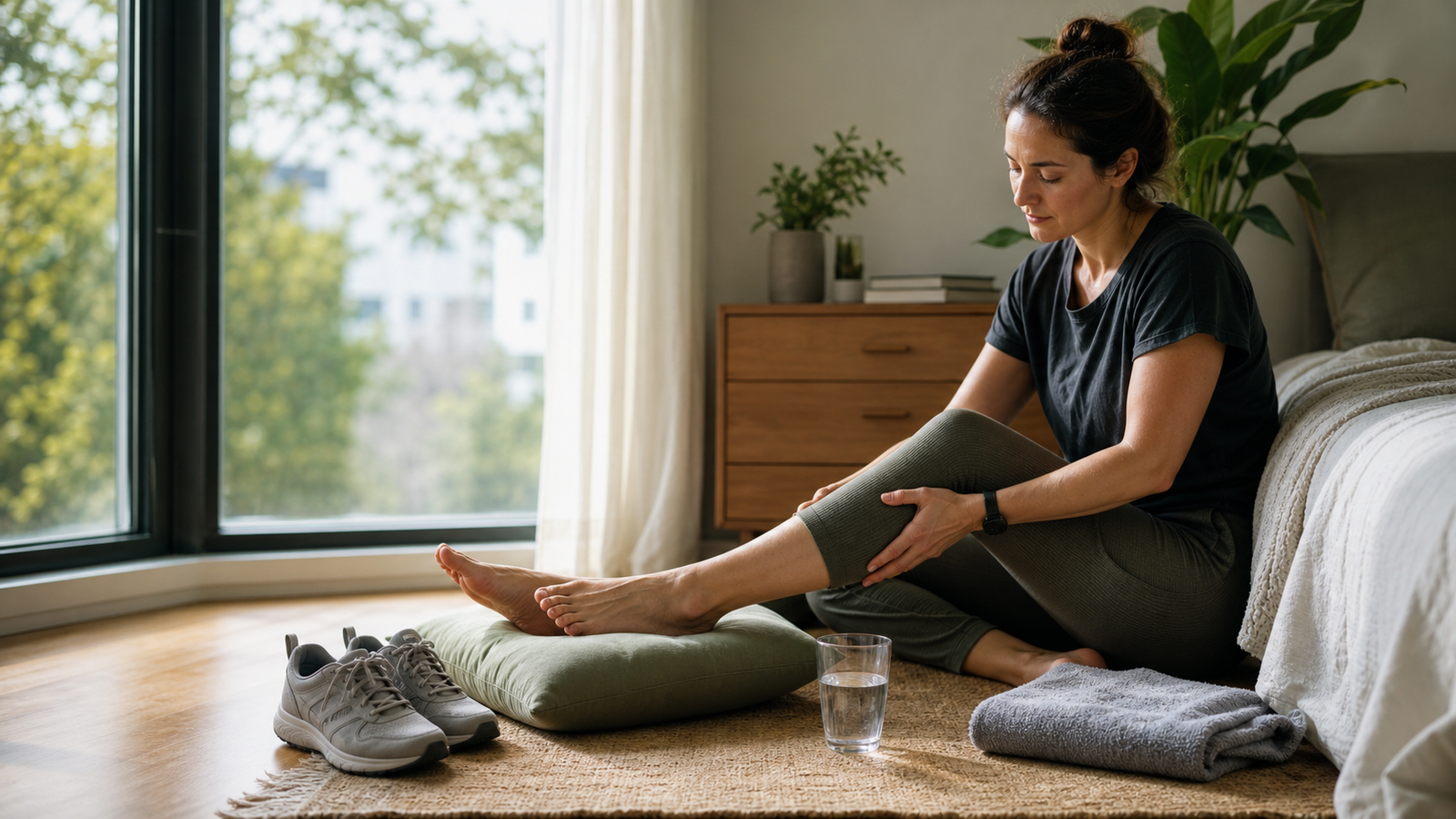
5. Elevate your legs briefly when you get home.
6. Notice whether the heaviness improves with basic movement.
This is not as glamorous as a spa treatment, but it is often more realistic and repeatable.
When lymphatic drainage can be useful
Lymphatic drainage may be helpful when the goal is comfort, fluid movement, and relaxation, not dramatic body change.
For example, a person who feels puffy after travel may find gentle movement, walking, hydration, and light self-massage soothing. Someone who feels heavy after a long desk day may benefit from a short walk, calf movement, stretching, or a professional body treatment if it helps them relax and feel more connected to their body.
For people with lymphedema, the conversation is more clinical. Mayo Clinic describes lymphedema care as often involving a combination of approaches such as exercises, manual lymph drainage, compression bandaging, compression garments, and other therapies. That does not mean everyone should copy a medical protocol at home. It means lymphatic drainage has a legitimate place, but the right use depends on the person.
When to be careful
This part matters.
Lymphatic drainage is gentle, but it is not automatically suitable for everyone. Cleveland Clinic notes that people should avoid lymphatic massage in certain situations, including blood clots, cellulitis, deep vein thrombosis, fever, heart disease, infection, kidney failure, stroke, cancerous tissue, or skin damaged from radiation therapy. Mayo Clinic also notes that trained therapists can guide people with lymphedema and that manual lymph drainage should be avoided in some situations such as skin infection, blood clots, or active cancer in the affected limb.
If you have sudden swelling, one-sided swelling, pain, redness, heat, shortness of breath, chest symptoms, fever, or swelling that does not improve, do not treat it as a wellness trend. Get proper medical advice.
And if you have a diagnosed condition, recent surgery, cancer treatment history, heart or kidney concerns, or unexplained swelling, check with a healthcare provider before trying manual lymphatic drainage or strong compression tools.
A simple way to decide
Use this three-question filter before spending money:
1. Is this about comfort or a promised transformation?
If the promise sounds like detox, fat loss, body sculpting, or a metabolism fix, be cautious. If the goal is relaxation, temporary de-puffing, or body comfort, the claim is more realistic.
2. Is the pressure gentle?
Manual lymphatic drainage is not deep-tissue massage. It uses very light pressure. If a routine is aggressive, painful, or leaves you bruised, it is not aligned with the usual gentle approach.
3. Have you tried the basics first?
For everyday heaviness from sitting or stress, start with movement breaks, walking, breathing, hydration, and sleep routines. These are not trendy, but they support the body more consistently than occasional treatments.
A practical mini routine for a heavy-body day
Try this after work, especially if you have been sitting most of the day:
1. Walk slowly for five minutes, even around your home.
2. Do 10 gentle calf raises while holding a wall or chair.
3. Sit or lie down with your legs comfortably supported for five minutes.
4. Take six slow breaths, letting your ribs expand.
5. Drink a glass of water.
6. If you use self-massage, keep the touch light and stop if anything feels painful or unusual.
This routine is not a medical treatment. It is simply a low-pressure way to reconnect with your body and notice what helps.
What to remember
Lymphatic drainage is not fake. It has real clinical uses, especially around lymphedema and fluid-related swelling. It can also be a relaxing self-care practice for some people.
But the trend version can make it sound more powerful than it is. You do not need to chase every wellness tool to support your body. Sometimes the most useful question is not, "Do I need lymphatic drainage?" It is, "What is my body asking for today: movement, rest, hydration, professional care, or simply less sitting?"
If you want a structured place to begin with calmer everyday wellness habits, download Vern Lai’s 7-Day Metabolic Reset Guide at https://vernlai.com/reset.
FAQ
Can lymphatic drainage help with weight loss?
There is no good reason to treat lymphatic drainage as a weight-loss method. It may affect temporary fluid-related puffiness for some people, but that is not the same as fat loss.
Is lymphatic drainage the same as deep massage?
No. Manual lymphatic drainage is typically very light and gentle. Deep pressure is not the goal.
Should I try it if my legs feel heavy after sitting all day?
Maybe, but start with the basics first: walking, calf movement, hydration, and breaks from sitting. If swelling is persistent, painful, one-sided, or unusual, seek medical advice.
- Cleveland Clinic. “Lymphatic Drainage Massage: What It Is & Benefits.” Last updated September 19, 2024. https://my.clevelandclinic.org/health/treatments/21768-lymphatic-drainage-massage
- Cleveland Clinic. “How To Perform a Lymphatic Drainage Self-Massage.” Published March 13, 2025. https://health.clevelandclinic.org/lymphatic-drainage-self-massage
- Cleveland Clinic. “Lymphatic System: Function, Conditions & Disorders.” https://my.clevelandclinic.org/health/body/21199-lymphatic-system
- Mayo Clinic. “Lymphedema – Diagnosis and treatment.” Last updated November 24, 2022. https://www.mayoclinic.org/diseases-conditions/lymphedema/diagnosis-treatment/drc-20374687
- Katie Couric Media. “Lymphatic Drainage Is Trending – But Does It Really Work?” Published April 30, 2025. https://katiecouric.com/health/lymphatic-drainage-massage/